A prevailing wind off the sea carries more than a bracing smell of brine. It carries salt, and in an exposed island garden that salt settles on leaves, buds and soil day after day in doses most garden plants never evolved to handle. The result is salt burn: scorched leaf margins, pinched growth, and a border that looks as though it has been through a drought it never had.
Salt burn is easier to spot than to fix, but it does respond to a routine. Rinse at the right moment, shelter where it actually counts, and feed only when the plant is ready to use it.
What salt does to a plant
A plant draws up water because the water inside its roots is saltier than the water in the surrounding soil. When sea salt builds up in that soil, the balance shifts. The soil solution becomes saltier than the root cells, and the plant has to work harder for every drop. In heavy doses it stops drawing water almost entirely, which is why a salt-stressed plant can look parched while standing in damp ground.
On the leaves, salt pulls moisture out of the tissue it touches. Water evaporates fastest at the leaf edges and tips, so that is where the damage shows first: brown, then grey-brown, then brittle enough to crumble between finger and thumb. Wind makes matters worse, driving salt hard against the windward side and drying the tissue at the same time. On a hedge, the seaward face will almost always look worse than the sheltered one — and that pattern is one of the clearest clues that you are dealing with salt rather than disease.
Recognising salt burn
The signs are fairly consistent once you know what you are looking at:
- Leaf margins and tips scorched brown or black, often with a distinct line between dead and healthy tissue
- Damage concentrated on the seaward side of the plant, or on the outermost, most exposed leaves
- A dull, greyish or powdery cast on foliage, as though the plant needs dusting
- Brown needle tips on conifers and evergreens, creeping inwards from the outside
- Buds, flowers and soft new growth blackened or blasted after an onshore gale
- Leaf drop in midsummer, particularly after wind, with no sign of pests or spotting
- Crusted soil surfaces, and a white residue on pot rims, paving or the base of walls
Telling it apart from the lookalikes
Drought and wind scorch produce similar crisp edges, but the damage tends to be more even across the whole plant rather than loading onto the seaward side. Fertiliser burn usually follows a feed, and scorches tips and roots together. Fungal problems generally bring spotting, mould or a spread that starts deep inside the plant and works outwards. If the damage appeared after a storm and stops neatly at the height of your hedge, salt is the likely culprit.
Rinsing: the step most people get half right
A quick spray over the leaves helps, but the bulk of the salt is sitting in the soil, and that is where the rinsing needs to happen. Early morning is the best time: foliage dries through the day rather than sitting wet overnight, and less water is lost to evaporation before it reaches the roots.
- Rinse the foliage first, spraying from above and, where you can, from below, to wash the salt off the leaf surfaces.
- Water the root zone slowly and deeply, moving the hose around rather than standing in one spot.
- Wait ten minutes, then repeat. Carrying salt below the root zone takes volume, not a token sprinkle.
- Let it drain properly. On heavy clay or in a pot without free drainage, water sits and the salt stays with it.
- Repeat a day or two after any storm, and again a few days later to catch what the first rinse missed.
Containers need special treatment. Flush them until water runs freely from the base, then tip away whatever collects in the saucer — that water is salty, and leaving the pot to sit in it undoes the work. If a pot has been repeatedly soaked by sea spray, the compost may be beyond flushing, and repotting into fresh mix is the kinder option.
Shelter that filters, not blocks
A solid wall or fence often makes salt burn worse. Wind hits the barrier, is forced up and over, and dumps its load of salt in the turbulent zone on the lee side, right where your border is. A permeable barrier — woven hurdles, slotted fencing, windbreak netting, or a mixed hedge — takes some of the energy out of the wind and lets the rest through, which spreads the salt thinly instead of concentrating it.
Aim for something that lets roughly half the wind through, and site it far enough back that your plants sit in the calmer air behind it rather than in the swirl at its base. Height matters more than length: a screen taller than the plants it protects will do more for them than a long low one. Wrapping plants tightly in plastic traps condensation and can smother them; loose netting is the better winter cover.
Plant choice is shelter of a kind too. Thrift, sea holly, lavender, rosemary, cotton lavender, escallonia, griselinia and tamarisk all take a salty blast better than most, and using them as a front line protects the softer planting behind. Move pots into the lee of a wall during stormy months, and raise beds where drainage is poor, so salt can be flushed away rather than held.
Feeding after salt damage
Resist the urge to feed a scalded plant straight away. A strong, quick-release, high-nitrogen feed raises the salt concentration around the roots at exactly the moment the plant cannot cope with it, and you will see more scorching within days. Flush the soil first, then wait for signs of new growth before reaching for the feed.
When the plant does start moving, feed gently. A dilute seaweed-based tonic is a reasonable starting point, and a balanced slow-release feed at half the recommended rate is plenty for a recovering shrub. Avoid pushing soft, sappy growth late in the season; it burns far more readily than the tougher leaves a plant produces at its own pace. Water the ground before feeding, never onto dry soil.
The real long game is soil condition. Digging in garden compost or well-rotted manure each spring improves structure and drainage, which means the next storm's salt is more easily washed through and away rather than sitting against the roots. Mulch after rinsing to slow evaporation, and keep the mulch a little clear of stems.
A simple coastal routine
Once you know what you are looking for, a coastal garden becomes manageable rather than a constant battle:
- Check the seaward side of shrubs and hedges after every onshore gale — that is where trouble shows first.
- Rinse foliage and flush the root zone within a day or two of a storm, then repeat a few days later.
- Empty pot saucers after flushing, and repot containers that have gone crusty.
- Top up mulch in spring and after heavy winter weather.
- Feed only when new growth appears, and keep it dilute and balanced.
Salt burn rarely kills a well-established plant outright, but it weakens it season after season, opening the door to wind damage and disease. A little routine watering, a sensible screen, and a patient approach to feeding will keep the damage cosmetic rather than cumulative — and leave you with a garden that looks battered by nothing at all.
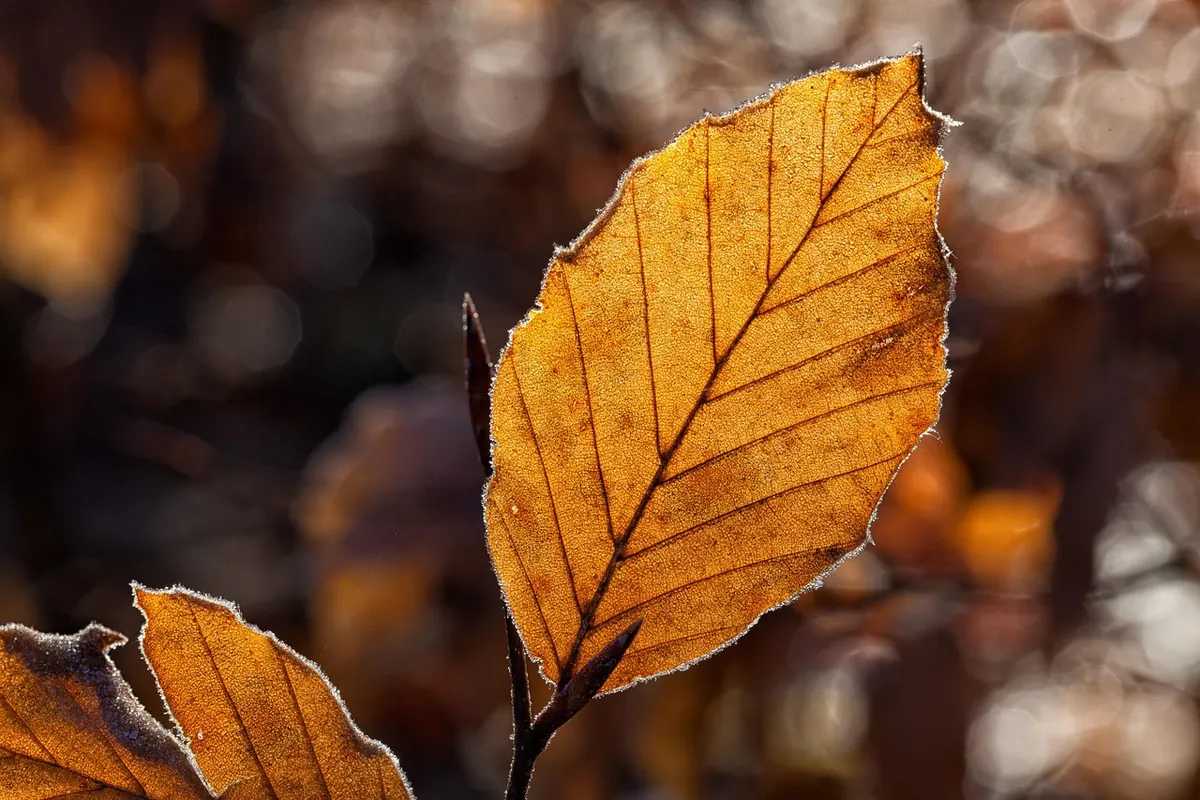
Photo: Waldrebell / Pixabay