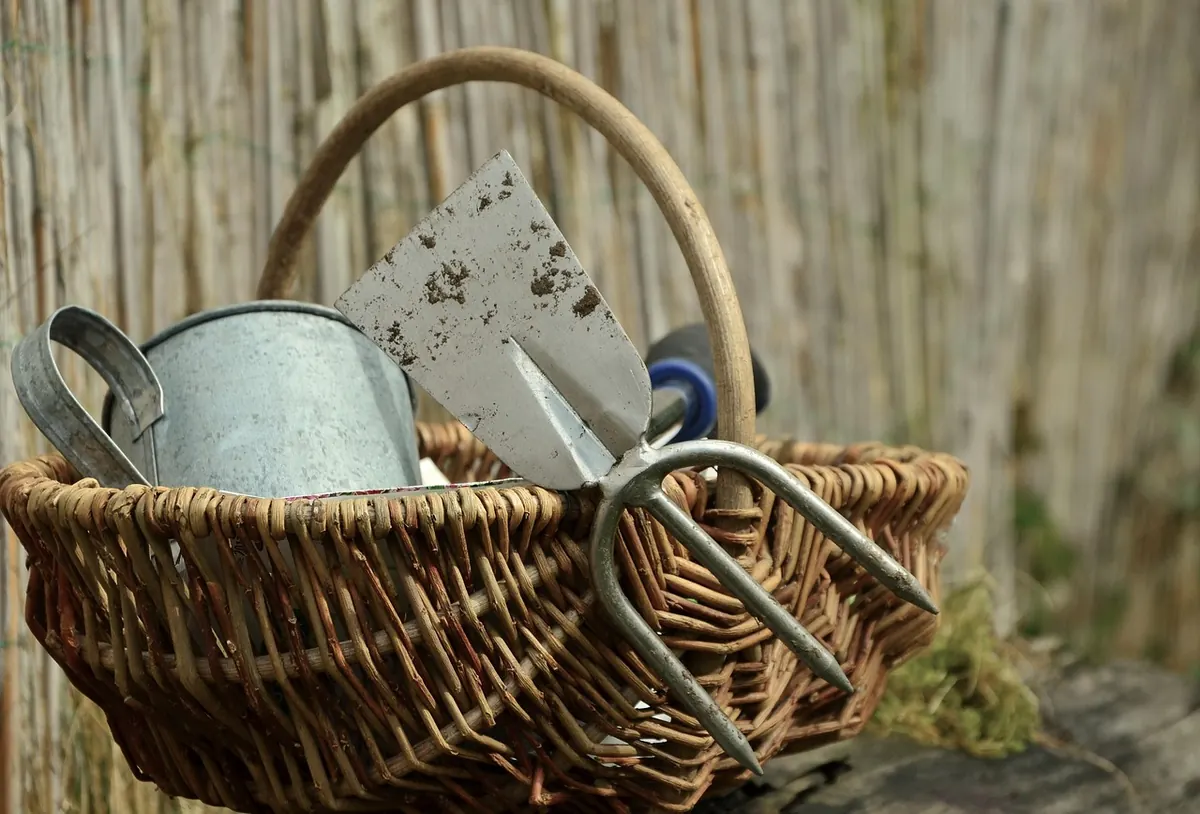
An island allotment is shaped by weather as much as by soil. Wind arrives with the salt still in it, rain falls hard and leaves quickly, and a mild winter can be followed by a March gale that flattens everything you planted the week before. The jobs are much the same as on any mainland plot. The order and the timing are not.
What follows is a seasonal framework rather than a rulebook. Take what fits your plot, your soil and your spare hours, and leave the rest for next year.
Spring: repair, shelter, then sow
Resist the temptation to sow into the first warm spell. On most islands the air warms well before the soil does, and seed sitting in cold, wet ground simply rots. Soil temperature matters far more than what the forecast says about the afternoon.
Start with the structure. Walk the plot after the last gale and check fence posts, raised-bed boards, windbreak netting and the ties on anything climbing. Permeable netting works better than solid panels, which throw a fierce eddy on the sheltered side and can do more damage than the wind itself. Fix the gaps before you sow, or you will be replanting in May.
Then look at the ground. If a handful of soil squeezed in your fist holds together like a snowball, it is too wet to work. Wait a few days. Digging wet clay — and island plots often have plenty of it — causes damage that takes a season to undo.
What to get in first
- Broad beans and early peas: hardy, and they resent being moved
- Onion sets and shallots, pushed into firm ground
- Early potatoes under fleece or in bags
- Salad leaves and radish under a cloche
- Hardy herbs, and sweet peas along a windbreak
Harden off anything raised indoors over a week or more. Island wind will shred soft growth in an afternoon, and a plant that has never met a breeze rarely recovers from its first proper one.
Summer: water deeply, mulch thickly, watch the salt
Little and often is the worst way to water. A daily sprinkle encourages shallow roots that suffer the moment you miss a day. Two or three proper soakings a week, aimed at the roots rather than the leaves, builds plants that can cope with a dry spell. Water in the morning if you can, and mulch straight afterwards while the ground is still damp.
Seaweed, grass clippings in thin layers, compost or even a layer of cardboard will all hold moisture. Keep mulch clear of stems to avoid giving slugs a ready-made shelter.
After a salt-laden gale, hose the foliage down with fresh water. It will not undo scorched leaf edges, but it does help plants that are merely coated rather than burned. Net brassicas against cabbage white butterflies, and remember that carrot fly flies low — a barrier of fleece or a metre-high screen is more effective than anything you spray.
Autumn: seaweed, leaves and feeding the soil
Autumn is when island plots earn their keep. The beds are emptying, the strandline is filling up, and anything you put into the soil now will be working for you by February.
Seaweed is the classic island mulch: decent in potassium and trace elements, useful for brassicas and potatoes, and free apart from the effort of carting it. It is not a complete fertiliser, though, so use it alongside manure or compost rather than instead of them. A few sensible rules:
- Check with your local council or harbour authority before collecting — rules differ around the coast, and some areas protect the strandline for wildlife.
- Take only loose weed from the tideline. Never pull it off rocks.
- Shake out the sand and pick out rope, netting and plastic.
- Rinse with fresh water, or leave the heap to sit through a few rain showers.
- Spread a 5–8cm layer as a mulch, or layer it into the compost heap where it will rot down quickly.
Other autumn jobs worth doing while the weather holds: lift maincrop potatoes before the ground turns soggy, bin rather than compost any blighted tomato or potato foliage, sow a green manure on empty beds, and plant garlic. Prune plums and cherries now rather than in winter, when silver leaf is more likely to get in through the cuts. Apples and pears can wait until the dormant season.
Winter: storm preparation and structure jobs
Island winters are less about hard frost and more about wind, rain and the damage the two do together. A couple of hours of preparation in late autumn saves a great deal of swearing in January.
- Take down or double-secure netting, fleece and cloches, or store them flat.
- Check polytunnel covers, replace tired clips and make sure doors latch properly.
- Re-tie fruit trees and climbers, and stake anything young and whippy.
- Move water butts to a sheltered side of the shed, or empty and secure them.
- Clear drainage channels and ditches so standing water has somewhere to go.
- Store canes, stakes and pots under cover, stacked horizontally.
- Check the shed roof and greenhouse glass before the first proper gale.
After a storm, walk the plot before you do anything else. Firm back in anything the wind has lifted, press brassicas and leeks back into the ground, and replace broken ties. Plants that are rocked loose in winter often die of the gap around their roots rather than the cold.
Quiet winter days are also the time for the jobs nobody enjoys in June: sharpening tools, servicing the mower, cleaning greenhouse glass, sorting the seed tin and ordering next year's seed while the varieties you want are still in stock.
Crop rotation without a spreadsheet
Rotation sounds complicated and is mostly common sense: don't grow the same family in the same spot two years running. That alone prevents a good deal of disease and stops one set of nutrients being stripped out of a bed year after year.
Divide the plot into four beds if you have the room. If you don't, split it in two and alternate the hungry, leafy crops with the roots and everything else.
- Legumes first: peas and beans, which leave nitrogen behind in the soil.
- Brassicas second: cabbage, kale, broccoli and sprouts, which appreciate that nitrogen and the lime you add before planting.
- Roots third: carrots, parsnips, beetroot and onions, which want firm ground and no fresh manure.
- Potatoes and the rest fourth: spuds, courgettes, sweetcorn and salads, with manure or compost added the previous autumn.
Then start again at the beginning. On a windy plot, add a practical note to the plan: keep the tallest and most brittle crops on the sheltered side, and leave the exposed edge for things that can take a battering.
Keeping it manageable
You will not do all of this, and you are not meant to. Pick three jobs a month, do them properly, and let the rest slide — an allotment that is half wild and half productive is still a good allotment.
Keep a notebook, too. Note the sowing dates, the gales, the first picking, the beds that flooded. Island weather varies so much from year to year that your own records will beat any calendar, including this one. Then put the kettle on and enjoy the view. That is rather the point of having a plot by the sea.
Photo: congerdesign / Pixabay