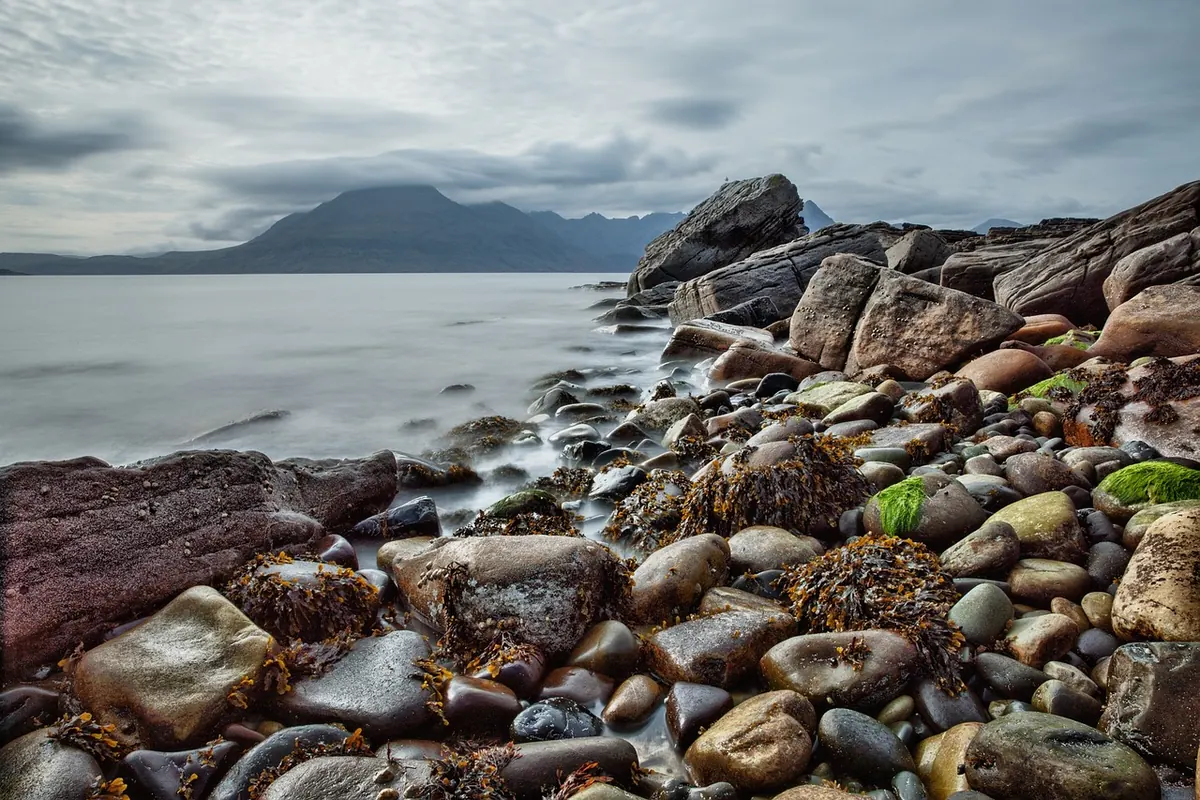
The first big westerly of the autumn strips kelp off the rocks and dumps it along the strandline. Most people walk past it. Island gardeners shouldn't. Seaweed is the one soil improver that arrives free, several times a year, a short walk from the back door, and coastal plots have been enriched with it for as long as anyone has grown anything within smell of the tide.
None of that means you should back a trailer up to the shore and take the lot. There are rules, there's a right way to go about it, and there are a few genuinely unpleasant mistakes that put people off for good. Here's the practical version.
What seaweed actually does for island soil
Seaweed isn't a fertiliser in the bagged sense. It's a soil conditioner that happens to carry nutrients. Brown seaweeds — kelp, bladderwrack, the various wracks — hold nitrogen, potassium and a spread of trace elements, along with alginates, the gel-like compounds that help thin, free-draining island soil hold water and nutrients instead of letting them wash straight through. If your plot is sandy, shallow and wind-scoured, that's the main prize. On heavy clay it does less, though it still opens up the structure.
Fresh weed breaks down quickly in a heap or in the top few inches of soil. Dried and crumbled, it keeps for months in a sack and is far easier to spread. It isn't a balanced feed, and it won't replace garden compost, manure or a proper soil test. Treat it as one useful ingredient, not the whole recipe.
Know the rules before you fill a sack
Rules vary between islands, and sometimes between beaches on the same island. The general principles are worth understanding before your first collection.
- Take only loose weed cast up above the tide line — never plants still attached to rock. Attached seaweed is living habitat, and removing it is restricted or banned in many places.
- Establish who owns the foreshore. It may be the Crown, a local estate, the council or a community trust. Ask before removing anything in quantity.
- Check whether the beach sits inside a protected area. SSSIs, nature reserves and marine designations often limit or prohibit removal.
- Look for local byelaws on how much can be taken, and whether rakes or vehicles are allowed.
- If you're collecting for an allotment or community scheme, get permission in writing and keep it.
A quick call or email to the local authority, harbour office or wildlife trust settles most of this. It costs nothing and saves an awkward conversation on the shore.
Collecting: tides, timing and kit
Go after a storm, not during one. The best window is two or three days after a big tide has left a fresh strandline — enough time for the weed to drain, not so much that it's bleached, sand-filled and crawling. Old, dried, gritty weed is heavy to carry and poor in the heap.
Take gloves, sturdy boots with grip, a tide table, and a friend if you're working below the high-water mark. Wet rocks are treacherous, and a loaded sack on a slippery causeway is how people get hurt. Avoid anything near slipways, harbour walls, boatyards, outfalls or road runoff; anti-fouling paint, fuel and drainage don't belong in your vegetable beds.
Rinse, drain and sort — the boring bit that matters
Salt is the thing everyone worries about and usually the least of your problems. Island gardens already take wind-borne salt, and a moderate amount in the soil is rarely the disaster people claim. That said, salt-sensitive crops and anything under glass do better with rinsed weed. Rinse in a bucket of fresh water, or leave a heap out in the rain for a week or two, then apply in autumn so winter rain leaches the rest away before spring planting.
Sand, grit and plastic matter more. Shake the sand out on the beach rather than carrying it home, and pick out rope, netting, fishing line and the odd dead crab. Thick kelp stipes are woody and slow to rot; chop them with shears or a sharp spade. They're excellent lined along the bottom of a bean trench.
Composting seaweed without the slime and the flies
Seaweed is wet and nitrogen-rich, which is exactly why a solid layer of it turns a heap sour and anaerobic. Layer it instead.
- Start with a 15cm layer of browns: shredded cardboard, straw, dry bracken, woody prunings.
- Add roughly 10cm of seaweed. No thicker.
- Repeat, finishing with browns on top.
- Turn after three or four weeks. If it's soggy, add more browns.
- Cover the heap if it sits near the house. Small dark seaweed flies breed in fresh weed, and nobody wants that by the back door.
Use more brown material than feels natural. A heap that smells faintly of the shore is fine; one that smells of rot and drains black liquid is not. Short of space? Fill a separate bin with weed alone and leave it six to twelve months. The result is dark and crumbly, and mixes beautifully with soil or leafmould for potting.
Three ways to use it
- Mulch. Lay fresh weed 5–8cm deep around brassicas, fruit bushes and hedges, keeping it clear of stems. It suppresses weeds and feeds the soil as it breaks down.
- Liquid feed. Half-fill a lidded bucket with chopped weed, top up with water, leave two to four weeks, then dilute roughly one part to ten of water. Good on leafy crops and tomatoes. It smells powerful — keep the lid on.
- Trench. Line a potato or bean trench in late winter, cover with soil and plant over it. The weed holds moisture through a dry summer.
A routine that works on a small island
Keep it simple and seasonal. Collect a couple of sacks after the first autumn gales, rinse them, and spread the weed on beds that won't be planted until spring. Through winter, the rain does the leaching for you while worms pull the material down. In spring, dig in the composted weed where you're planting hungry crops. In summer, use the liquid feed on tomatoes, courgettes and kale, and let the rest of the heap sit until autumn.
Start with one sack and one bed. If it works — and it usually does — you'll find yourself checking the tide table the way other people check the weather. Just keep an eye on local rules, ask before you take, and leave the attached weed where it belongs.
Photo: FrankyFromGermany / Pixabay