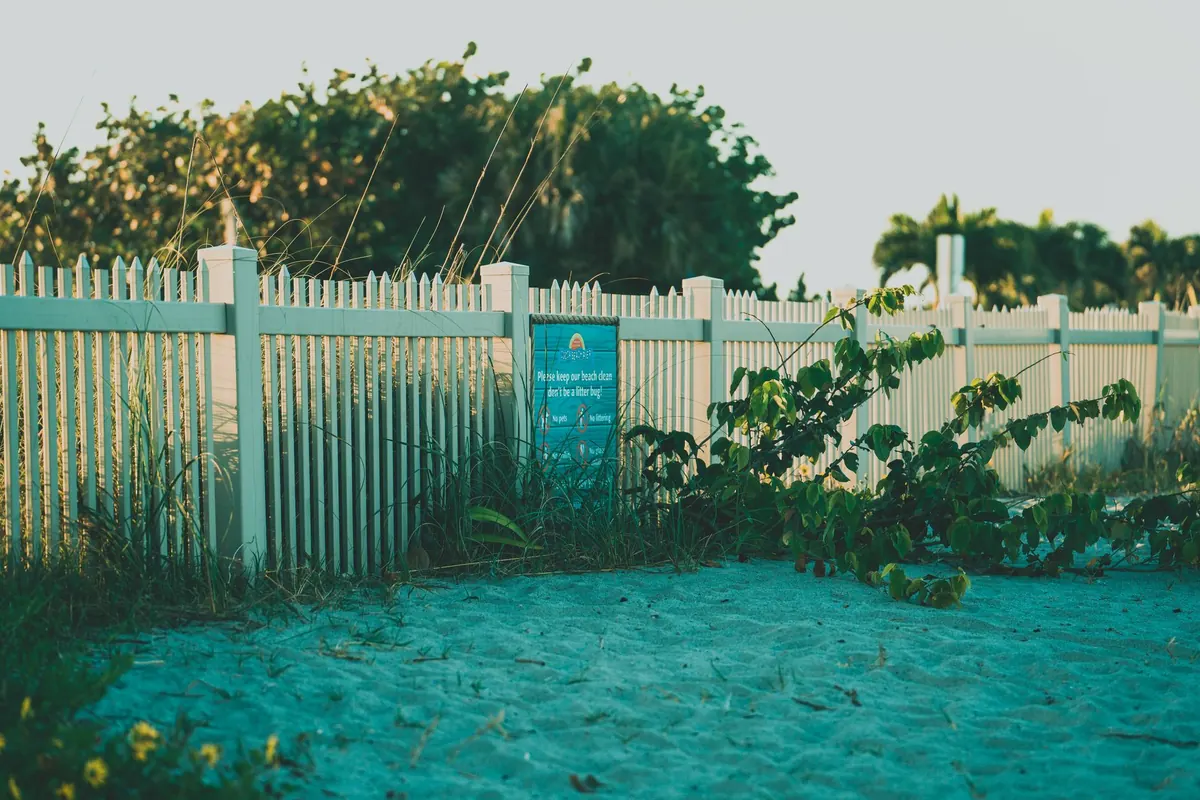
On an island plot, the difference between a garden and a battleground is usually a hedge. Not a neat clipped thing, but a working shelter belt: a deep, layered band of tough shrubs and trees that takes the sting out of salt-laden gales before they reach your beds. Get it right and you can grow plants your neighbours swear are impossible here. It takes a few years, some forward planning and a willingness to plant small, but it is the single best investment you can make in a coastal garden.
What salt wind actually does to a garden
Salt spray is the obvious enemy. It draws moisture out of leaves and buds, scorching foliage brown and blackening new growth, and plants sitting within a few hundred metres of the shore take the worst of it. During a gale, salt can carry well inland, so even a garden half a mile from the sea can suffer.
Wind is the quieter problem. It rocks roots loose, snaps stems, strips flowers and dries both soil and foliage faster than roots can replace the water. A plant that looks perfectly healthy in May can be dead by September, not from cold but from dehydration. Wind also lowers temperatures and scours away the warm layer of air sitting over your beds. A good belt cuts wind speed, raises temperatures slightly and holds moisture in the soil — three things every crop and border appreciates.
Choosing plants for the front line
Think in layers, not a single row. The windward face takes the punishment, so it wants the toughest plants you can find. Work backwards through medium shrubs to taller trees, letting the profile rise gradually. A belt that steps up in height lifts the wind over your garden rather than shoving it straight through.
- Front line (low, salt-proof, slightly sacrificial): sea buckthorn, Rosa rugosa, Hebe (now Veronica), Olearia × haastii, Fuchsia magellanica, Elaeagnus × eburnea.
- Middle row (evergreen backbone): Griselinia littoralis, Escallonia, Olearia traversii, Pittosporum, Tamarix.
- Back row (trees, for real height): holm oak, Italian alder, whitebeam, hawthorn, Corsican pine, Monterey cypress.
A few local notes matter. Griselinia and Olearia traversii are superb in mild maritime gardens but sulk where hard frosts bite, so in colder spots lean on hawthorn, whitebeam, holm oak and alder instead. Monterey cypress grows fast and takes salt beautifully, but it is prone to canker in some areas, so mix it rather than planting a monoculture. Check your soil too: shell sand is alkaline, and acid-lovers will never thrive in it. Skip leylandii and cherry laurel — dense, fast and forever needing the shears.
Designing the belt: depth beats height
Aim for three to five staggered rows, with the plants offset rather than lined up like soldiers. A permeable belt — roughly half open to the wind — works far better than a solid wall, which simply forces the gale up and over, then dumps it in turbulent eddies on the other side. Staggered planting also means that when one plant fails, the belt still functions.
As a rule of thumb, good shelter extends downwind about ten to fifteen times the height of your tallest row. A belt that reaches six metres will calm the air for sixty to ninety metres beyond it — plenty for most island gardens. Orient the belt across the prevailing wind, not along it. If your plot is small, run a single deep strip along the windward boundary and let the rest of the garden lie in its shadow.
Keep spacings sensible. Hedge-style rows knit quickest at 45–60cm apart; tree rows want two to three metres between plants and between rows. Leave tall trees well clear of drains, foundations and overhead cables — roots spread wider than the canopy you can see.
Planting so young stock survives
- Prepare the strip the season before if you can. Clear perennial weeds and dig in composted seaweed or well-rotted manure along the whole row, not just in the planting holes. Coastal soils are often thin and free-draining, and organic matter is what holds water.
- Buy bare-root whips between November and March, or small potted plants at any time. Small plants establish faster than big ones and catch up within a couple of seasons.
- Dig a hole wider than the rootball, plant at the same depth the plant sat in the nursery, and firm it in with your heel so the roots make contact with soil.
- Water thoroughly, then mulch 5–8cm deep, keeping the mulch clear of the stems.
- Stake only on very exposed sites, with a short stake and a flexible tie. Remove it after two seasons so the trunk can thicken and sway.
- Water through the first two summers. Wind rock and drought kill more young coastal plants than salt does.
Looking after a shelter belt
Trim hedges in late summer, after nesting birds have finished and after flowering so the bees get their turn. Never cut hard into old wood on evergreens — most will not regrow from it. Feed sparingly: rich, soft growth is exactly what salt shreds. Keep the front row lower than the trees behind, so the profile keeps rising.
Replace failures straight away. A gap in a hedge funnels wind like a nozzle and can undo years of growth in a single storm. After a bad gale, rinse the foliage of tender plants with stored rainwater to wash the salt off. If you want a view, resist cutting a doorway through the belt — instead lift the lower branches of the trees behind, so you look out beneath a canopy that still does its job.
Mistakes to sidestep
Planting one solid row of a single fast conifer is the classic error: it looks tidy for a few years, then blows over, dies of canker or needs constant clipping. So is planting right up against a boundary fence, where you can never trim the far side. Buying plants because they look lovely at the garden centre, rather than because they belong on a coast, wastes money and time. And over-enriching the soil makes lush growth that a single salty gale will strip.
Getting the first rows in this autumn
You do not need the perfect plan. Mark out a strip two to three metres deep along your windward boundary, clear it, and get the toughest shrubs in the ground between November and March. Mulch, water for two summers, and replace anything that fails. Within three years you will notice the change: less scorched foliage, taller perennials, a longer season, and a garden that finally feels like it belongs to you rather than to the weather.